No items found in your cart!
No items found in your cart!
 you definitely can not afford to miss this. READ HERE https://www.food.goglowonline.com/view-post.php?post_id=194, Thanks for always taking out time to read through our blog posts @ Goglow Limited! We are Happy that you enjoy it!&image=<img src='https://www.food.goglowonline.com/upload/1785700898Perimenopause-Cramps-1409602469-770x533-1_jpg.jpg'/>) |
|
|
|
 you definitely can not afford to miss this. READ HERE https://www.food.goglowonline.com/view-post.php?post_id=194, Thanks for always taking out time to read through our blog posts @ Goglow Limited! We are Happy that you enjoy it!&image=<img src='https://www.food.goglowonline.com/upload/1785700898Perimenopause-Cramps-1409602469-770x533-1_jpg.jpg'/>) |
|
|
|
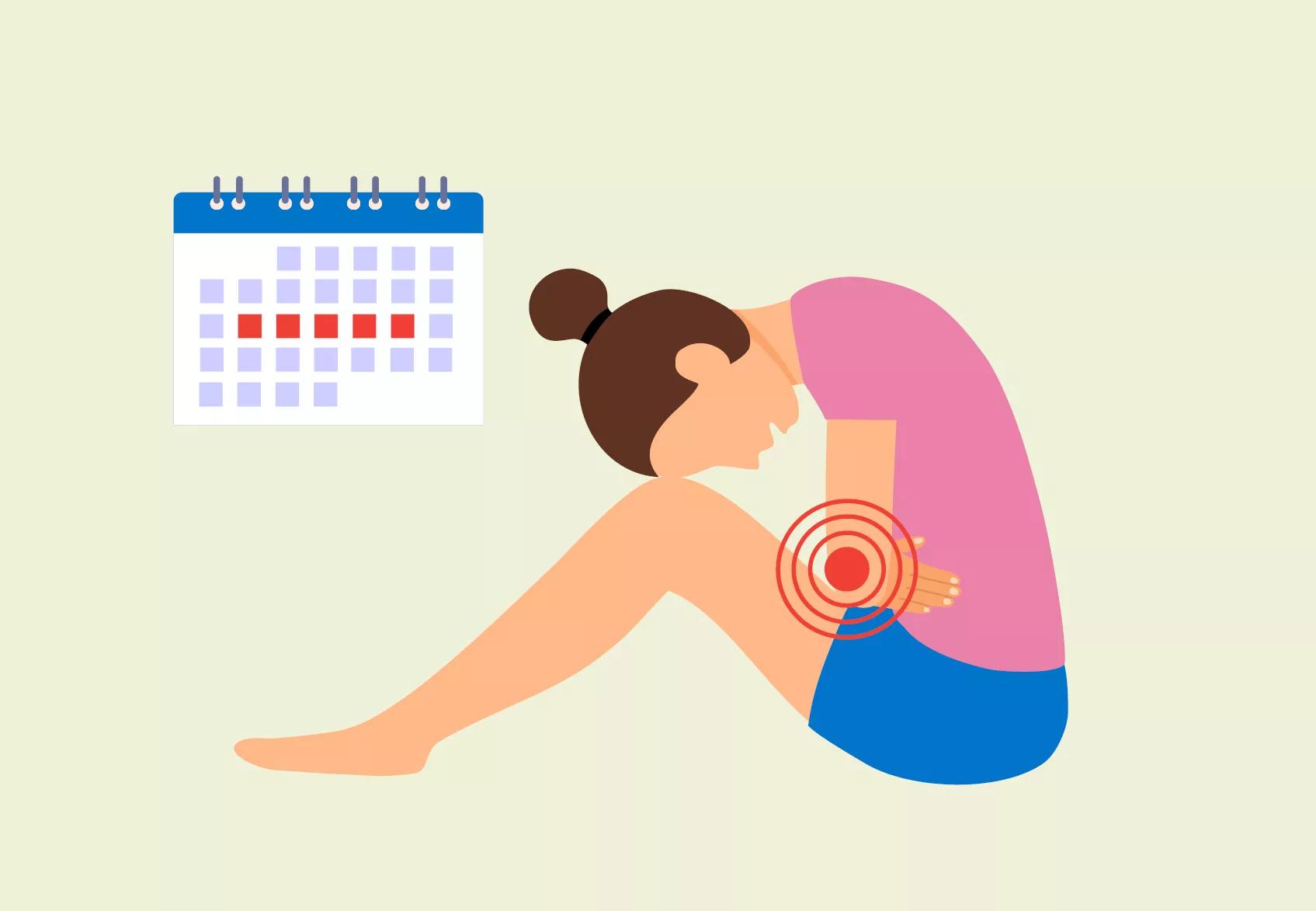
For many women, menstruation comes with more than just a monthly cycle—it often brings painful cramps, fatigue, bloating, headaches, mood changes, and discomfort that can interfere with daily activities. While pain medications can provide relief, the foods you eat can also play a significant role in reducing menstrual pain and supporting your overall health.
At GOGLOW FOOD, we believe that nutrition is one of the most powerful tools for improving well-being. By choosing foods rich in essential vitamins, minerals, antioxidants, and healthy fats, you can naturally reduce inflammation, relax your muscles, and help your body cope better during menstruation.
Let's explore some of the best fruits and foods that may help ease menstrual cramps naturally.
Why Do Menstrual Cramps Happen?
Menstrual cramps occur because the uterus contracts to shed its lining. These contractions are triggered by hormone-like substances known as prostaglandins. Higher levels of prostaglandins often lead to stronger contractions, causing increased pain and discomfort.
While mild cramps are common, severe or persistent pain should be evaluated by a healthcare professional, as it may indicate conditions such as endometriosis, fibroids, or pelvic inflammatory disease.
Fortunately, healthy eating can help reduce inflammation and support your body's natural pain-relieving processes.
1. Bananas
Bananas are among the best foods to eat during your period.
They are rich in:
- Potassium
- Vitamin B6
- Magnesium
- Natural carbohydrates
These nutrients help relax muscle contractions, reduce bloating, support nerve function, and replenish energy lost during menstruation.
Adding one or two bananas to your daily diet during your period can help reduce muscle spasms and improve your mood.
2. Oranges
Oranges are packed with Vitamin C, water, and antioxidants.
Benefits include:
- Supporting the immune system
- Helping the body absorb iron
- Keeping you hydrated
- Fighting inflammation
Their refreshing taste also helps reduce cravings for sugary snacks.
3. Watermelon
Watermelon contains over 90% water, making it an excellent fruit for staying hydrated.
Hydration helps:
- Reduce bloating
- Improve circulation
- Ease headaches
- Reduce fatigue
It also provides vitamins A and C, both important for overall health.
4. Pineapple
Pineapple contains an enzyme called bromelain, which has anti-inflammatory properties.
It may help:
- Reduce muscle soreness
- Ease inflammation
- Improve digestion
- Relax muscles
Enjoy fresh pineapple as a snack or in smoothies.
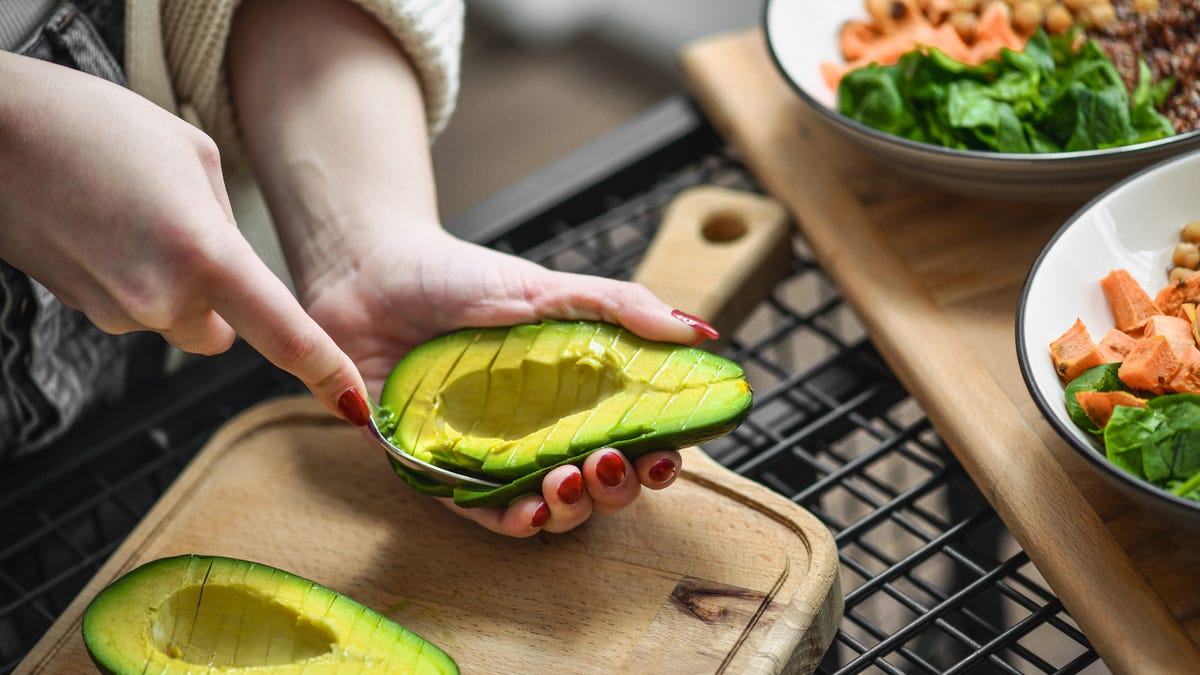
5. Avocados
Avocados are rich in:
- Healthy fats
- Magnesium
- Potassium
- Vitamin E
These nutrients help reduce inflammation, support hormone balance, and relax muscles, making them a great addition to meals during menstruation.
6. Leafy Green Vegetables
Vegetables such as spinach, ugu (fluted pumpkin), kale, and scent leaves provide:
- Iron
- Magnesium
- Calcium
- Folate
Many women lose iron during menstruation. Replacing these nutrients can reduce weakness, fatigue, and dizziness.
Magnesium also helps decrease muscle contractions associated with cramps.
7. Fatty Fish
Fish like salmon, sardines, and mackerel are rich in Omega-3 fatty acids.
Omega-3 fats help:
- Reduce inflammation
- Lower prostaglandin production
- Reduce menstrual pain
- Support heart and brain health
Eating fish two or three times a week may improve menstrual comfort.
8. Ginger
Ginger has been used traditionally for centuries to relieve pain and inflammation.
Research suggests that ginger may:
- Reduce menstrual pain
- Ease nausea
- Improve digestion
- Reduce inflammation
You can drink ginger tea or add fresh ginger to your meals.
9. Turmeric
Turmeric contains curcumin, a powerful anti-inflammatory compound.
Curcumin may help:
- Reduce pelvic pain
- Lower inflammation
- Improve mood
- Support hormonal balance
Adding turmeric to soups, rice, or warm milk may be beneficial.
10. Yogurt
Yogurt provides:
- Calcium
- Protein
- Probiotics
Calcium helps muscles function properly, while probiotics promote healthy digestion.
Choose plain, unsweetened yogurt whenever possible.
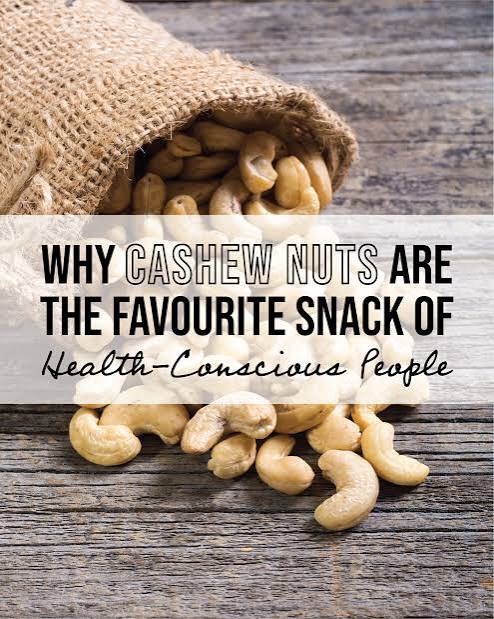
11. Nuts and Seeds
Almonds, walnuts, pumpkin seeds, sunflower seeds, and flaxseeds are excellent sources of:
- Magnesium
- Healthy fats
- Zinc
- Vitamin E
These nutrients help reduce inflammation, improve muscle relaxation, and support hormone regulation.
12. Whole Grains
Foods like oats, brown rice, millet, and whole wheat provide:
- Fibre
- B vitamins
- Magnesium
Whole grains provide steady energy and reduce blood sugar fluctuations that may worsen fatigue and mood swings.
13. Beans
Beans are rich in:
- Iron
- Protein
- Fibre
- Magnesium
They help replace nutrients lost during menstruation while keeping you full for longer.
14. Dark Chocolate (In Moderation)
Dark chocolate containing at least 70% cocoa provides:
- Magnesium
- Iron
- Antioxidants
It may help improve mood, reduce stress, and support muscle relaxation.
Remember to enjoy it in moderation.
15. Plenty of Water
One of the simplest ways to reduce menstrual discomfort is by drinking enough water.
Proper hydration helps:
- Reduce bloating
- Prevent headaches
- Improve circulation
- Reduce fatigue
Aim for at least 2–3 litres of water daily unless your healthcare provider recommends otherwise.
Foods to Limit During Menstruation
Certain foods may worsen menstrual symptoms.
Try reducing:
- Highly processed foods
- Excess sugar
- Very salty foods
- Excess caffeine
- Alcohol
- Deep-fried foods
- Sugary soft drinks
These foods may increase bloating, inflammation, and discomfort in some people.
Lifestyle Tips for Reducing Menstrual Cramps
Healthy eating works best when combined with healthy habits.
You can also:
- Get adequate sleep.
- Engage in light physical activity such as walking or stretching.
- Apply a warm compress or heating pad to your lower abdomen.
- Manage stress through relaxation techniques or deep breathing.
- Maintain a healthy body weight.
- Avoid smoking.
When Should You See a Doctor?
Although mild menstrual cramps are common, seek medical attention if:
- Your pain is severe enough to stop you from carrying out normal activities.
- Pain lasts longer than your menstrual period.
- You experience very heavy bleeding.
- Pain suddenly becomes much worse than usual.
- You develop fever or unusual vaginal discharge.
- Pain begins later in life after years of painless periods.
These symptoms may indicate an underlying medical condition requiring treatment.
WRITER'S POV
Menstrual cramps can be uncomfortable, but your daily food choices can make a meaningful difference. A balanced diet rich in fruits, vegetables, healthy fats, whole grains, fish, nuts, and adequate water helps reduce inflammation, support muscle relaxation, and improve your overall well-being during your menstrual cycle.
At GOGLOW FOOD, we encourage healthy eating as part of a healthy lifestyle. Fresh fruits, nutritious meals, and wholesome snacks don't just nourish your body—they support better health every day of the month.
Disclaimer: This article is for educational purposes only and should not replace professional medical advice. If you experience severe or persistent menstrual pain, consult a qualified healthcare professional for proper evaluation and treatment.

.jpeg)

 Categories