No items found in your cart!
No items found in your cart!
.jpeg)
 you definitely can not afford to miss this. READ HERE https://www.food.goglowonline.com/view-post.php?post_id=199, Thanks for always taking out time to read through our blog posts @ Goglow Limited! We are Happy that you enjoy it!&image=<img src='https://www.food.goglowonline.com/upload/1787733039images (11).jpeg'/>) |
|
|
|
 you definitely can not afford to miss this. READ HERE https://www.food.goglowonline.com/view-post.php?post_id=199, Thanks for always taking out time to read through our blog posts @ Goglow Limited! We are Happy that you enjoy it!&image=<img src='https://www.food.goglowonline.com/upload/1787733039images (11).jpeg'/>) |
|
|
|
Walk into almost any supermarket, convenience store, restaurant, or online food marketplace today and you will find an enormous variety of ready-to-eat and ready-to-drink products. Breakfast cereals, instant noodles, packaged snacks, biscuits, sweetened drinks, frozen meals, processed meats, flavoured yogurts, confectionery, and countless other products have become part of everyday eating.
These foods can be convenient, affordable, tasty, and easy to store. But there is growing interest in one particular category: ultra-processed foods (UPFs).
Ultra-processed foods are not simply foods that have been cooked, packaged, or preserved. They are generally industrial formulations made using ingredients and additives that are rarely found in a typical home kitchen. Many are designed to be extremely convenient, appealing, and shelf-stable.
The important question is not whether every packaged food is bad. It is how much ultra-processed food makes up your diet and what it is replacing.
This GOGLOW FOOD guide explains what ultra-processed foods are, why they are becoming increasingly common around the world, how they may affect health, and practical ways to make healthier choices without completely eliminating convenient foods
The term ultra-processed food comes largely from the NOVA food classification system, which groups foods according to the nature and extent of their processing.
Ultra-processed foods are typically industrial formulations containing ingredients extracted or derived from foods, along with substances such as flavourings, colourings, emulsifiers, sweeteners, thickeners, and other additives designed to modify taste, texture, appearance, or shelf life.
Examples commonly include packaged snacks, carbonated soft drinks, instant noodles, ready-made meals, confectionery, and many highly formulated breakfast or snack products.
However, not everything that comes in a package is ultra-processed.
This distinction is important.
Food processing exists on a spectrum.
For example:
Unprocessed or minimally processed foods include:
Processed foods can include:
These foods may be processed but can still form an important part of a healthy diet.
The concern surrounding ultra-processed foods is different. Many UPFs are formulations that combine refined ingredients, fats, sugars, salt, and additives in ways that can make them particularly easy to consume frequently.
The World Health Organization recommends that healthy diets be built largely around a variety of minimally processed and unprocessed foods while limiting foods high in unhealthy fats, free sugars, and sodium.
So the goal isn't:
"Never eat processed food."
A more realistic goal is:
"Make minimally processed, nutrient-rich foods the foundation of your diet and reduce your reliance on ultra-processed foods."
Ultra-processed foods have become increasingly prominent in many countries for several interconnected reasons.
Modern life is busy.
People work long hours, commute, study, manage families, run businesses, and deal with countless responsibilities. Preparing meals from scratch every day can be difficult.
A packaged snack can be opened immediately.
Instant noodles can be prepared within minutes.
A frozen meal can go straight into a microwave or oven.
Convenience makes these foods attractive.
Urbanization and changing lifestyles have transformed how many people buy, prepare, and consume food.
WHO notes that rapid urbanization, changing lifestyles, and changes in food production have contributed to shifts toward diets containing more highly processed foods.
As cities grow and schedules become more demanding, convenience increasingly influences food decisions.
Ultra-processed foods are widely available.
They can be found in supermarkets, neighbourhood shops, vending machines, petrol stations, schools, restaurants, delivery apps, and online stores.
For some consumers, individual packaged products can also appear cheaper or more accessible than purchasing and preparing a complete meal from fresh ingredients.
Food affordability is particularly important because healthy eating is not simply a matter of personal choice. Access to safe, nutritious, and affordable foods varies significantly between populations.
Food companies invest heavily in advertising and branding.
Bright packaging, celebrity endorsements, social-media campaigns, discounts, children's advertising, attractive product names, and carefully engineered flavours can make certain foods highly appealing.
WHO has identified aggressive marketing, urbanization, changing lifestyles, and the proliferation of highly processed foods as factors contributing to unhealthy dietary patterns.
Children and teenagers can be particularly influenced because food preferences developed early in life may continue into adulthood.
Ultra-processed foods are often carefully formulated to deliver strong combinations of sweetness, saltiness, fat, flavour, and texture.
This can make them highly enjoyable and convenient to eat.
Some products also require little preparation or chewing, which can make it easy to consume a large amount quickly.
This doesn't mean that every person who eats a biscuit, sausage, or packet of noodles is addicted to it. Rather, the design of many modern food products can encourage frequent consumption.
The health discussion around UPFs is complex.
Researchers have observed associations between higher consumption of ultra-processed foods and several adverse health outcomes. A large BMJ umbrella review found that greater exposure to ultra-processed foods was associated with higher risks of several adverse outcomes, particularly cardiometabolic conditions, common mental disorders, and mortality. However, the researchers also noted that the certainty of evidence varied across outcomes.
This means we should avoid oversimplifying the science.
It is not accurate to say:
"Every ultra-processed food causes disease."
Instead, the evidence suggests that high consumption of ultra-processed foods, particularly when they displace nutritious foods, is associated with poorer health outcomes.
Several factors may contribute.
Many ultra-processed foods and drinks contain substantial amounts of free sugars.
Examples include:
WHO recommends limiting free sugars to less than 10% of total daily energy intake, with further reduction to 5% or less providing additional health benefits.
Regularly consuming large amounts of sugary foods and drinks can contribute to excessive calorie intake and increase the risk of problems such as unhealthy weight gain and dental caries.
Salt is another important concern.
Processed meats, instant noodles, savoury snacks, sauces, packaged meals, and other processed products can contribute significant amounts of sodium to the diet.
High sodium intake is associated with increased blood pressure and cardiovascular risk.
WHO recommends that adults consume less than 2,000 mg of sodium per day, equivalent to less than 5 grams of salt per day.
Reading nutrition labels can therefore be particularly useful when purchasing packaged foods.
Some ultra-processed products contain considerable amounts of saturated fat, while certain industrially produced foods may contain trans fats.
WHO recommends replacing saturated and trans fats with healthier unsaturated fats where possible and eliminating industrially produced trans fats from the diet.
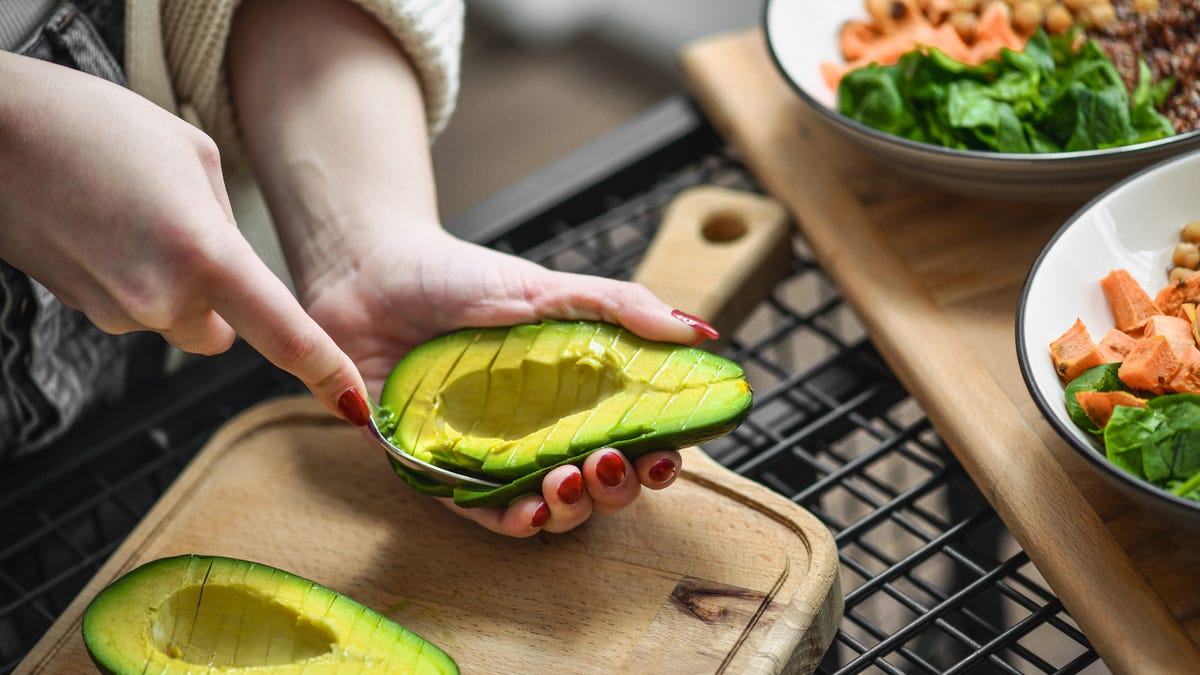
Sources of healthier unsaturated fats include foods such as:
Many ultra-processed products are made primarily from refined ingredients.
Compared with whole or minimally processed foods, some may provide relatively little fibre.
Fibre is important for digestive health and contributes to fullness.
WHO recommends that people over the age of 10 consume at least 25 grams of naturally occurring dietary fibre per day, with whole grains, fruits, vegetables, and pulses being important sources.
Perhaps one of the biggest concerns isn't simply what UPFs contain.
It is what they replace.
Imagine someone regularly eating:
The problem becomes a pattern.
A diet dominated by ultra-processed products can leave less room for foods that provide fibre, vitamins, minerals, protein, and other beneficial nutrients.
A healthy diet should contain a wide variety of fruits, vegetables, pulses, whole grains, nuts, and appropriate protein sources.
You don't need a nutrition degree to start making better choices.
One useful strategy is to examine the ingredient list.
Watch for products containing long lists of ingredients, particularly combinations of substances that you would rarely use in a normal home kitchen.
These may include:
However, ingredient lists should not be used as a perfect "good food versus bad food" test.
Some additives are safe and useful, and some highly processed foods may be fortified with important nutrients.
Instead, ask:
What is this food made of, how often am I eating it, and what role does it play in my overall diet?
Reducing ultra-processed food doesn't require completely changing your life overnight.
Small changes can make a meaningful difference.
Build meals around foods such as:
These foods provide a wide range of nutrients and can form the foundation of a balanced diet.
One of the easiest changes is reducing sugary drinks.
Instead of regularly drinking:
choose water more often.
Unsweetened tea or coffee can also be appropriate choices for many adults.
Instead of automatically reaching for packaged biscuits or sweets, consider:
Fruit + nuts
Plain yogurt + fruit
Boiled eggs
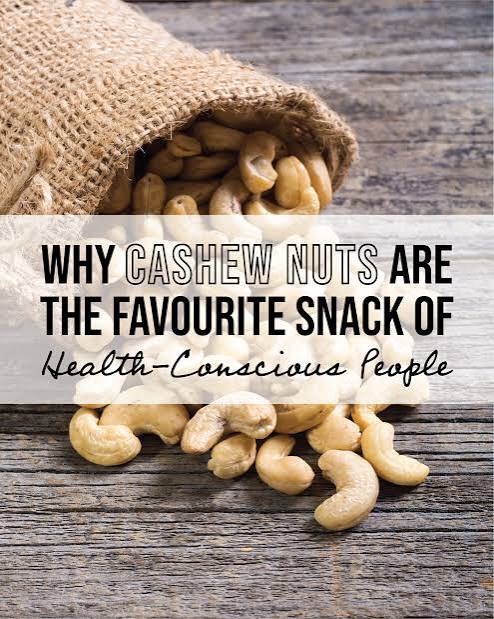
Roasted or lightly prepared nuts
Fresh vegetables
Homemade popcorn with controlled salt
The objective isn't to eliminate snacks. It's to make snacks more nutritious.
When buying packaged foods, compare products.
Look at:
Don't simply choose a product because its packaging says "healthy," "natural," "light," or "fit."
Look at the actual nutritional information.
Home cooking gives you greater control over:
You don't have to prepare elaborate meals.
Simple foods can make excellent meals.
For example:
Rice + beans + vegetables + fish
can provide a more balanced meal than relying on an instant or packaged alternative.
Healthy eating doesn't mean everything has to be fresh.
Frozen vegetables can be nutritious and convenient.
Canned beans and fish can also be useful.
The important thing is to check the label and, where possible, choose options without excessive added sugar or sodium. WHO specifically notes that frozen and canned fruits and vegetables can be good choices when they do not contain added sugars or excessive sodium.
Instant noodles are a good example of why food choices require context.
They are convenient, inexpensive, and popular in many countries.
But some varieties can contain substantial amounts of sodium and may not provide enough vegetables, fibre, or protein to constitute a balanced meal on their own.
If you eat them, you can improve the meal by adding:
You can also pay attention to the seasoning quantity and compare sodium levels between products.
The goal is not necessarily "never eat noodles."
It is to avoid allowing convenient packaged foods to become the foundation of your diet.
Many people approach healthy eating by asking:
"What foods should I stop eating?"
Try another question:
"What nutritious foods can I add?"
Add more:
🥦 Vegetables
🍌 Fruits
🥜 Nuts and seeds
🫘 Beans and legumes
🐟 Fish
🥚 Eggs
🌾 Whole grains
💧 Water
When nutritious foods occupy more space on your plate, there may naturally be less room for ultra-processed foods.
No.
Food is also about culture, enjoyment, convenience, affordability, celebrations, and social connection.
Eating a biscuit occasionally does not make your diet unhealthy.
Having instant noodles sometimes does not automatically mean you are damaging your health.
The bigger concern is a dietary pattern dominated by ultra-processed products, especially when these foods consistently replace nutrient-rich foods.
A practical approach is moderation.
Think:
More whole and minimally processed foods.
Less dependence on ultra-processed foods.
More variety.
Better portions.
More awareness of what you are eating.
A simple meal can include several food groups.
Examples:
Examples:
Examples:
Examples include:
Making water your default drink can significantly reduce your intake of sugary beverages.
Ultra-processed foods are now an important part of the modern food environment.
They are convenient, widely available, heavily marketed, and often designed to be highly appealing. Scientific evidence increasingly links high consumption of ultra-processed foods with several adverse health outcomes, although the strength of evidence varies between specific outcomes and researchers continue to investigate the mechanisms involved.
The answer isn't to become afraid of every packaged food.
Instead, become more conscious of your overall dietary pattern.
Make fruits, vegetables, beans, whole grains, nuts, seeds, and nutritious protein sources regular parts of your meals.
Read food labels.
Watch your intake of salt, free sugars, and unhealthy fats.
Drink more water.
Cook when possible.
Choose minimally processed foods more often.
And remember: healthy eating is not about perfection. It is about the choices you make consistently.
At GOGLOW FOOD, we believe food should not only be enjoyable—it should also contribute positively to a healthier lifestyle. By becoming more informed about what we eat, we can make better choices for ourselves, our families, and our communities.
Eat consciously. Choose wisely. Live healthier.
This article is for general educational purposes and is not a substitute for individualized medical or dietary advice. People with specific health conditions or nutritional requirements should speak with a qualified healthcare professional or registered dietitian.

.jpeg)


 Categories
.jpeg)